A strong mobile hibachi chef setup guide starts with the host, not the menu. When a chef is coming to cook at your home, the experience feels best when the backyard layout, table setup, and guest flow are already handled before arrival. That makes setup faster for the chef and keeps the evening focused on food and entertainment instead of last-minute adjustments. If you are planning a private dinner, this guide covers the main preparation steps that help an at-home hibachi night run smoothly.
Choose the cooking zone before anything else
For most backyard dinners, the grill area should be the first decision. The chef needs a flat, workable surface with enough room to move safely, cook comfortably, and serve guests without bumping into chairs or decorations. A clear path from the driveway or entrance to the cooking space also makes equipment setup much easier.
If your event is outdoors, think about weather before event day. A backup plan matters more than extra decor. Covered patio space, a nearby sheltered area, or a simple layout change can keep the dinner on track if conditions shift.
Set tables and chairs around the show, not just the meal
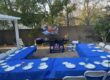
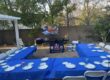
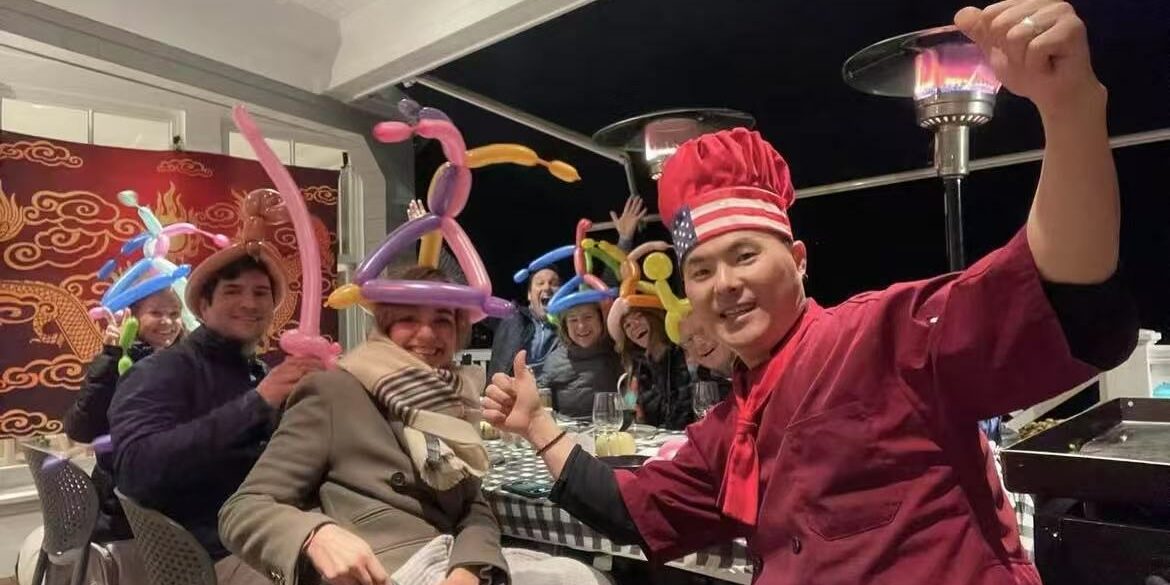
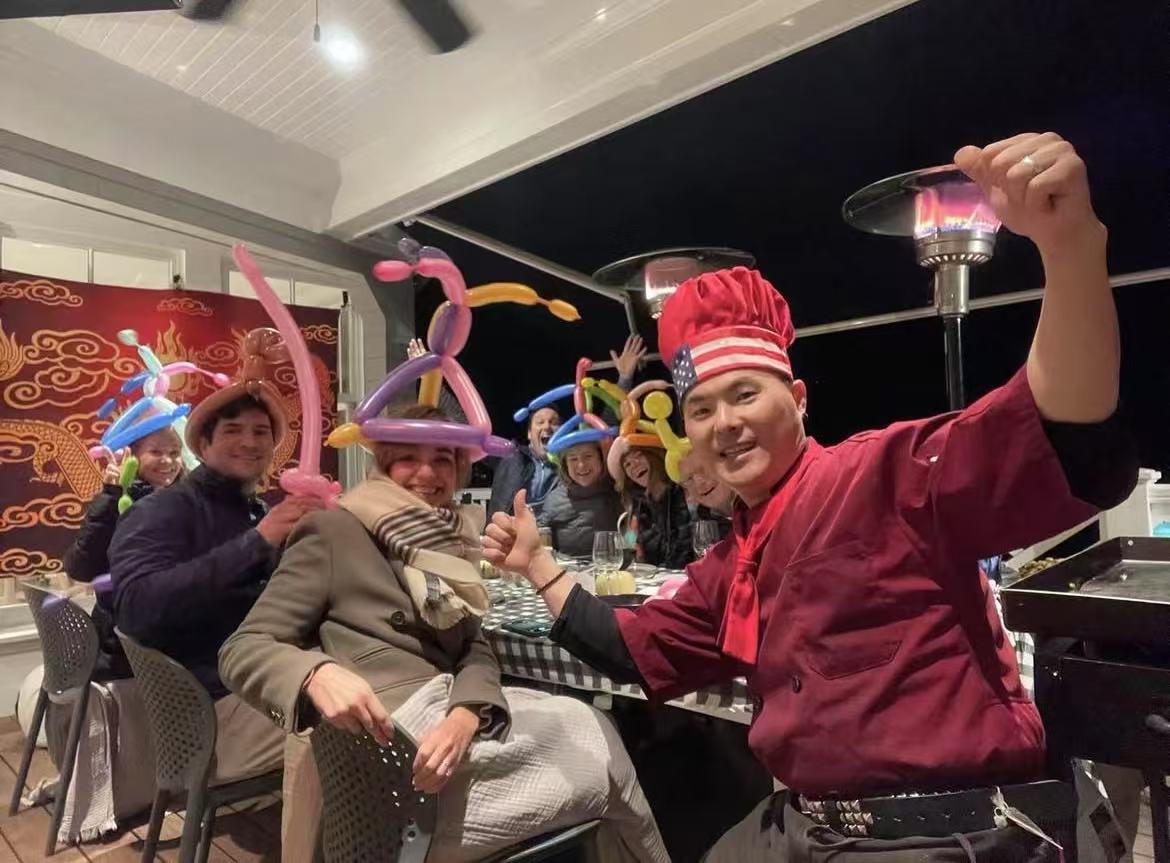
A hibachi chef at home experience is part dinner and part live performance. Guests should be close enough to enjoy the action, but the chef still needs enough open space to cook and serve. Try to avoid squeezing every chair too close to the grill. A little breathing room makes the event feel more comfortable, especially when serving starts.
For family gatherings, it helps to think about who should sit closest. Kids often want the best view, while older guests may prefer a little more distance from heat and smoke. A simple seating plan ahead of time prevents awkward reshuffling once everyone has arrived.
Prepare host essentials before guests show up
The basics should already be in place before the chef arrives: plates, utensils, napkins, drinks, serving space, trash access, and enough lighting if the dinner will continue into the evening. These details are easy to overlook, but they make a big difference in how relaxed the event feels once cooking starts.
If you are still working through booking details, the site’s Book Now page is the best place to confirm your event plan before the dinner date.
Build extra time into the guest arrival window
One of the simplest ways to improve an at-home hibachi dinner is to invite guests a little earlier than the expected cooking start. People need time to park, settle in, grab a drink, and find their seats. If the chef begins while half the group is still arriving, the event immediately feels rushed.
For backyard hibachi dinners, an early arrival window also helps the host check that the table layout, serving area, and guest flow still feel right once everyone is physically in the space.
Share guest count and dietary notes before the event day
Knowing the final headcount ahead of time helps with seating, timing, and the overall pace of the evening. It is also the right time to pass along allergy details, child portions, or protein preferences. Waiting until the chef is already on site creates unnecessary friction.
If guests have special questions, point them to the FAQ first, then use the Contact page for anything that needs direct clarification.
Keep guest flow simple once the cooking begins
The best backyard hibachi dinner setups are usually the simplest ones. Give guests a clear place to gather, keep the serving area uncluttered, and avoid asking people to move around too much once the chef starts. When the setup is easy to understand, the evening feels more polished without adding extra work for the host.
If you also want a broader host-side prep list, read Hibachi At Home Checklist: What to Prepare Before Your Chef Arrives before finalizing your event details.
If you are hosting in warmer weather, read Florida Backyard Hibachi Dinner Setup Tips for a Smooth At-Home Chef Night for shade, rain-plan, and guest-flow prep ideas.
If the forecast looks uncertain, read Backyard Hibachi Rain Plan Tips for covered-space, guest-flow, and backup layout ideas before event day.
Before event day, read our hibachi at home equipment guide to know exactly what your chef brings and what you should set up.