Good hosting starts before the grill turns on. If you are planning hibachi at home allergy questions for a family dinner, birthday night, graduation meal, or backyard private party, the best move is to gather guest notes early and share them clearly when you book or confirm the event.
A mobile hibachi chef can keep dinner fun and fast when the host has the right information ready. That does not mean you need a complicated spreadsheet. It means asking simple questions before guests arrive, separating true allergies from preferences, and giving the chef one clean summary instead of scattered texts during the party.
Start with the guest list, not the menu
Before you choose sides, proteins, or extra portions, make a guest list with adults, kids, and anyone who may need a simpler plate. For each person, write down whether they have a food allergy, a dietary restriction, a strong food preference, or no special note.
This matters because a hibachi at home dinner moves in a natural rhythm. The chef is cooking, entertaining, and serving while guests are seated around the setup. Clear notes help everyone avoid last-minute confusion.
Ask these hibachi at home allergy questions first
Use the same short set of questions for every household or guest group:
- Does anyone have a food allergy we should know about?
- Is the allergy severe, or is it a preference or sensitivity?
- Are there ingredients the guest avoids, such as seafood, shellfish, eggs, dairy, gluten, meat, or soy?
- Does anyone need vegetarian, vegan, or tofu-style options?
- Are any children more comfortable with plain rice, vegetables, or a simpler protein?
- Should any guest be seated where they can speak easily with the host or chef?
Hibachi 2Home notes on the FAQ page that its food does not contain nuts or sesame products, and guests should notify the booking agent about other food allergies. Treat that as a starting point, then collect the details your group needs before the event.
Separate allergies from preferences
Hosts sometimes group everything under the word allergy. That can make planning harder. A true allergy note should be handled with more care than a preference such as “does not love onions” or “prefers chicken instead of steak.” Both are useful, but they are not the same kind of information.
When you contact the team through Contact or make plans through Book Now, keep the message organized. A clean note might look like this: “Party of 14. One shellfish allergy, one gluten-free guest, two vegetarian guests, and three kids who prefer plain fried rice.” That is much easier to act on than a long group chat.
Plan the table around comfort
Food notes are not only about ingredients. They also affect where people sit. If a guest needs to ask questions, keep them near the host or another adult who knows the plan. If kids are nervous about trying new food, seat them where they can watch the show without feeling pressured.
For broader seating ideas, read our guide to a hibachi at home seating plan for kids, grandparents, and first-time guests. A few seat choices can make the dinner feel calmer for everyone.
Share notes before event day
Do not wait until the chef is unloading the grill to mention special food needs. Send your allergy and dietary notes before dinner, then keep a copy on your phone on event day. If the guest list changes, update the note instead of sending multiple separate messages.
This is especially helpful for backyard hibachi catering because the host is often managing chairs, drinks, parking, kids, and guests at the same time. A single written summary keeps the food conversation simple.
Keep picky eaters in the same planning flow
Allergy planning and picky eater planning often happen together, but they should stay clearly labeled. The allergy list tells the team what must be avoided. The picky eater list helps the host make dinner smoother for children, cautious adults, or guests who prefer plain flavors.
If that is a major part of your group, pair this checklist with our guide on hosting hibachi at home for picky eaters. Together, the two lists cover safety notes, comfort notes, and timing.
What the host should have ready
Before the event, keep these items in one place:
- Final guest count.
- Allergy and dietary restriction list.
- Protein preferences and any vegetarian notes.
- Kids who need simpler portions.
- Contact name for the person answering food questions during dinner.
- Any timing issue that affects when guests need to eat.
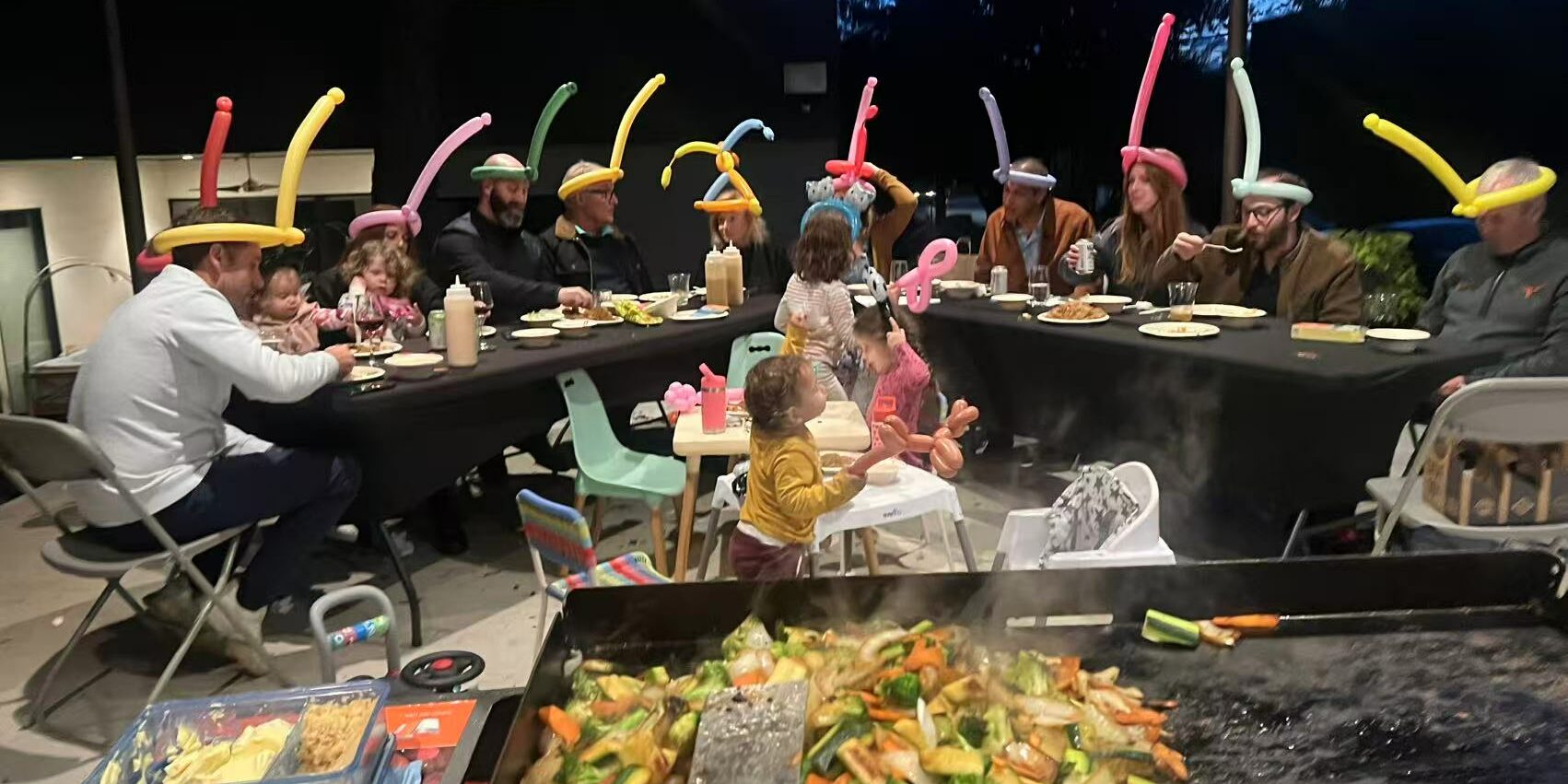
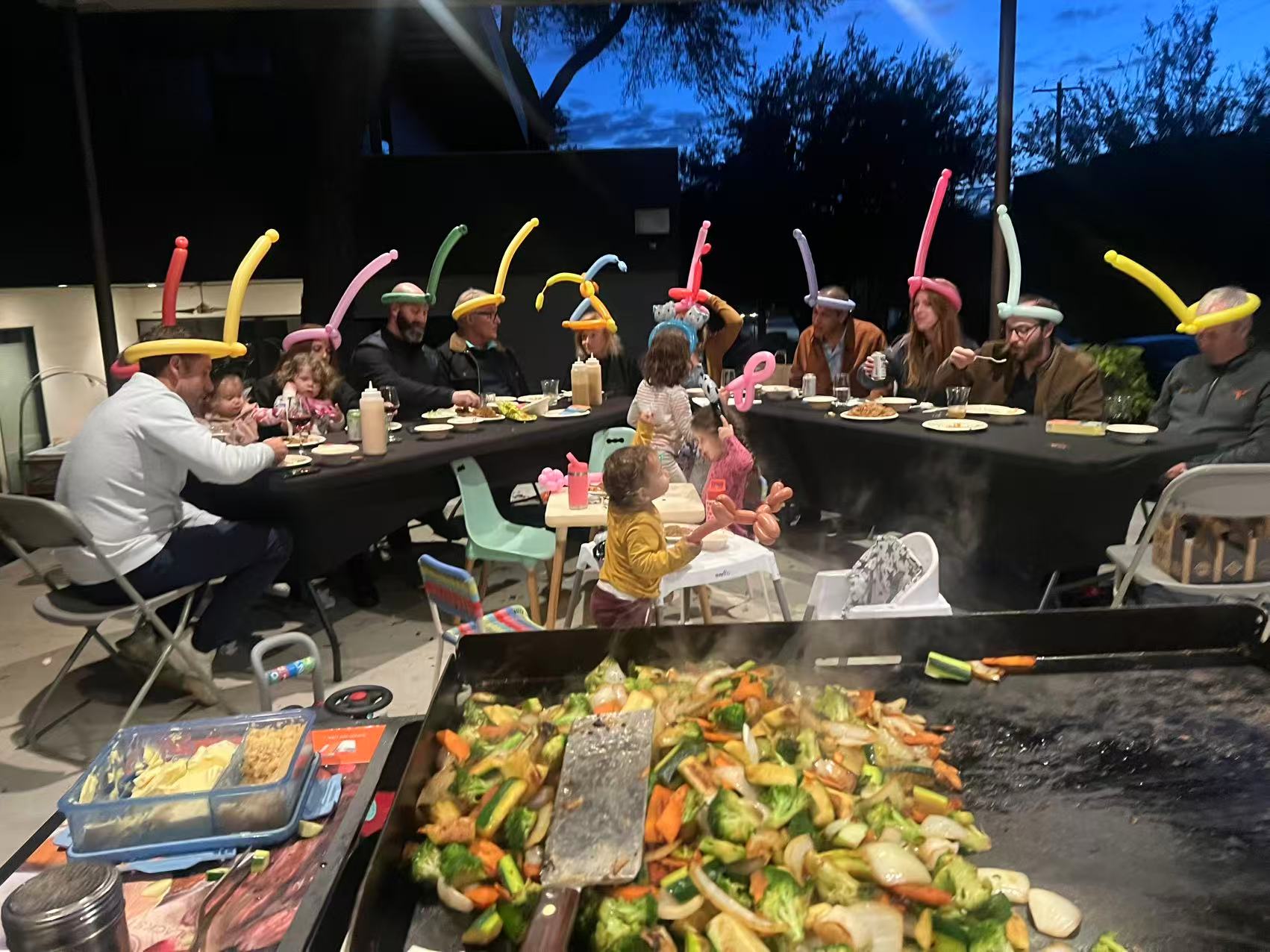
You can also read our mobile hibachi chef setup guide for real setup examples before you plan your table layout. Seeing real backyard and patio dinners can help you picture how the chef, grill, and guest seating fit together.
A simple host message template
Here is a practical note you can send before confirming your event:
“Hi, we are hosting an at-home hibachi dinner for [guest count] people on [date]. We have [number] allergy notes: [list]. We also have [number] vegetarian or dietary preference notes: [list]. Kids who may need simpler plates: [list]. Please let us know if you need any other details before dinner.”
This kind of message helps a mobile hibachi chef prepare for the group without slowing down the party. It also gives the host confidence that important details have been shared in one place.
Final takeaway
The best hibachi at home allergy questions are simple, early, and specific. Ask every household the same short questions, separate true allergies from preferences, share the notes before event day, and keep your seating plan comfortable. That preparation lets the chef focus on the food and show while your guests enjoy the dinner.